How did the business start?
Urban Rajah was born in a slum in Chennai, India.
My wife and I were visiting community projects, supporting families in extreme poverty. We saw first-hand how a relatively small amount of funding could provide healthcare, teachers and vital services. Once you’ve seen these conditions up close, you can’t unsee it. And there is a choice: do nothing or do something.
So, we started hosting fundraising supper clubs in our home called Cash n Curry. Friends, neighbours and colleagues would come round for dinner and pay whatever they thought the evening was worth. Every penny went towards these projects.
As we became more involved, we learned that many families had become trapped in cycles of bonded labour, modern slavery and human trafficking. Today, more than 50 million people globally are estimated to be living in conditions of modern slavery, closer to home that’s over 120,000 people in the UK. And that’s where Urban Rajah really began.
We launched the business with a single purpose: to help fight human slavery and trafficking. Our vehicle was a love of South Asia and the incredible energy of its street-food culture. What followed was a cookbook, festival demonstrations, TV appearances, pop-up restaurants and catering experiences. Eventually, that journey led us into retail.
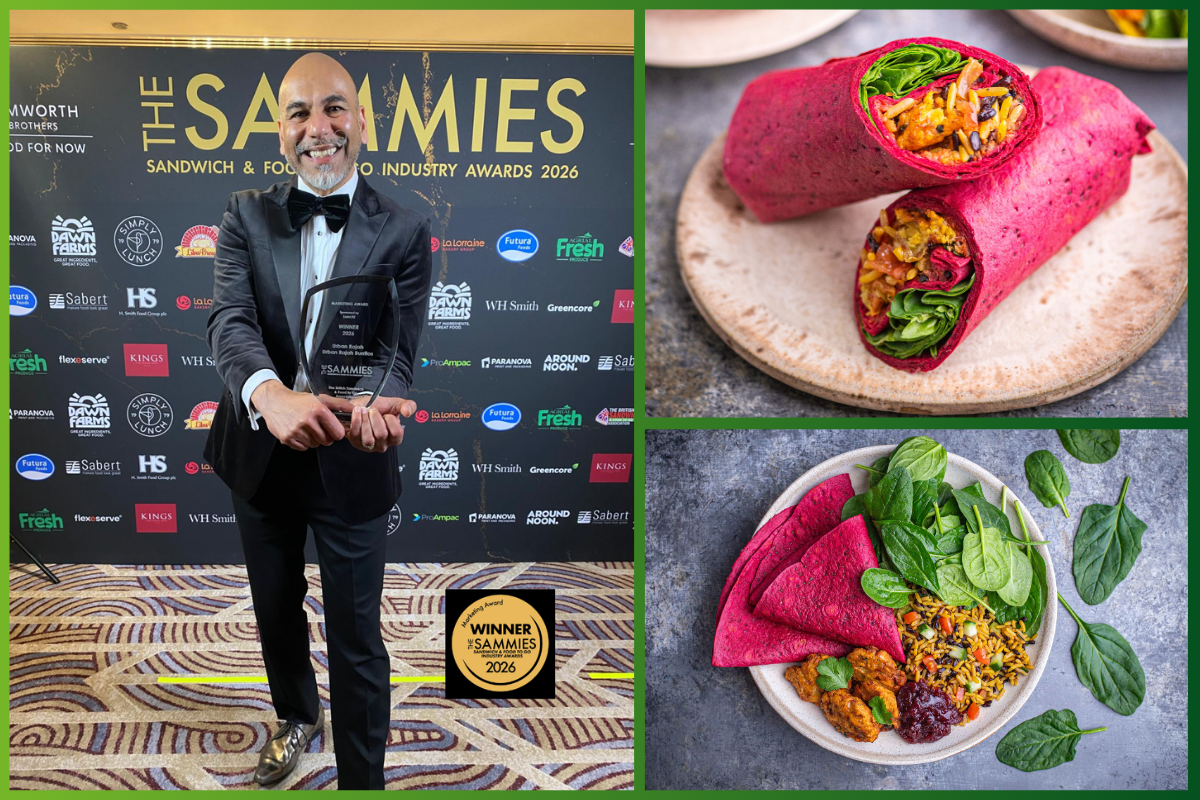
Today, we’re best known for our trademark take on the burrito, Burotis. Flavour-packed, South Asian fillings wrapped in a roti-style flatbread and designed for modern food-to-go occasions.
I’ve always believed Indian food isn’t simply a category; it’s a living, evolving system of flavour, culture and experience. Urban Rajah exists to bring that richness into everyday British eating occasions.
We’re not chasing scale for the sake of it. We’re building a platform that allows us to have a bigger impact than we could ever achieve on our own. It influences the people we work with, the products we create and decisions we make. It’s also what keeps us motivated when the entrepreneurial journey inevitably gets tough.
At Urban Rajah, food is the medium but purpose is the mission – everything else flows from that.
How do you see FTG right now?
Consumers want convenience but are increasingly looking for experience as well.
It is no longer about grabbing something quickly as fuel. People desire flavour, authenticity and a sense of discovery. They expect vibrant, flavour-led food on the move to be every bit as exciting as a restaurant offering.
That creates a huge opportunity for brands willing to move beyond generic interpretations of world food and embrace regional flavours, cultural authenticity and interesting formats. Our own consumer research points to the same conclusion, and the wider category data supports it too.
The days when convenience alone was enough are behind us – character is now key.
How do you stand out in such a competitive sector?
We don’t compete by imitation. We compete through originality.
A good example is our trademarked Buroti, designed specifically to bring South Asian flavours into a format consumers already understand and love.
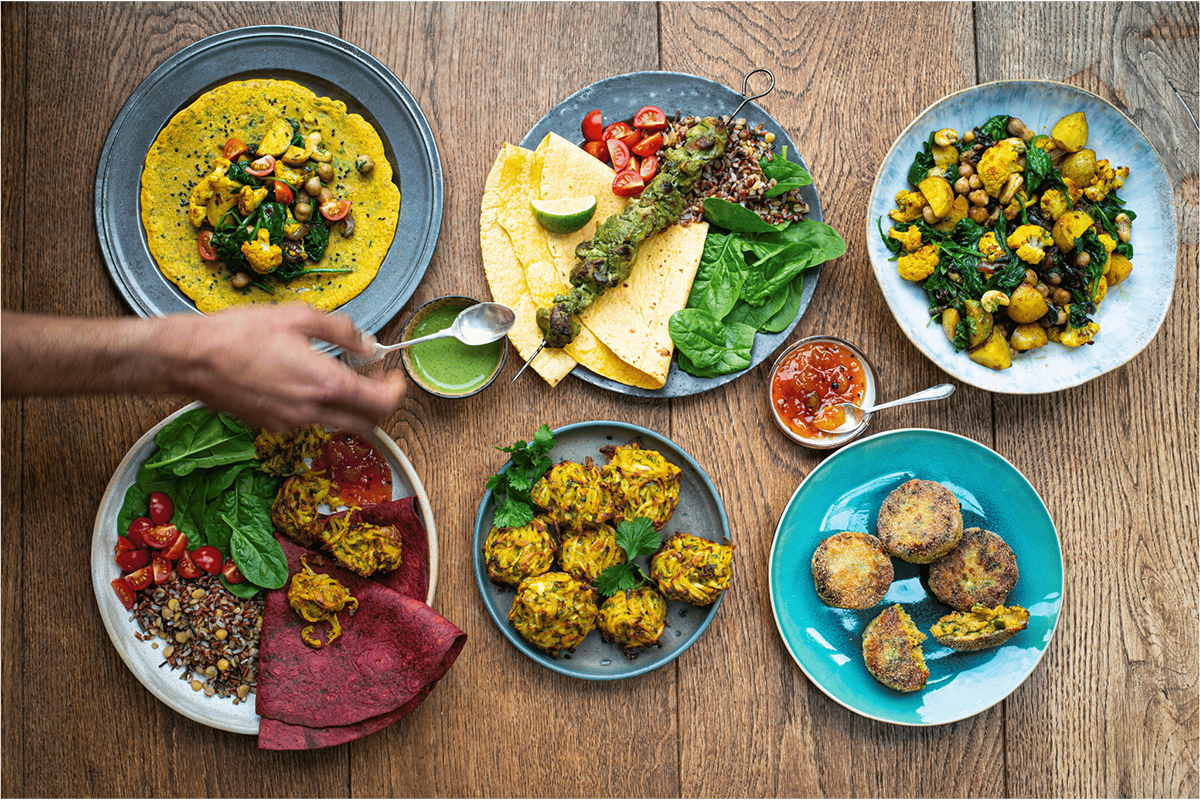
More broadly, we don’t simplify South Asian food; we celebrate its complexity, thinking carefully about layering flavour, texture, heat and freshness.
We’re also a brand-led business in a category that can sometimes become product-led. That gives us the freedom to build a bigger story around culture, flavour and innovation. Most importantly, consumers are responding.
Recent NielsenIQ data shows Urban Rajah delivering +838% value growth versus year-ago performance, while our expansion into more than 1000 Tesco stores demonstrates growing mainstream demand. As NIQ also noted: “Urban Rajah has significant runway ahead, supported by a distinctive proposition and strong consumer pull for vibrant world-food flavours.”
For us, that's encouraging proof that consumers are ready for something different.
Let’s talk business relationships.
We’re fortunate to work with partners who understand that FTG is one of the most exciting and innovative areas of retail. Leading manufacturers such as Samworth Brothers and Westmill Foods have enabled us to bring genuinely differentiated products to market and scale them effectively.
Our Tesco expansion is another example of what can happen when retailers embrace new ideas and back emerging consumer trends. Looking ahead, we’re interested in dayparts and occasions. There’s enormous potential across snacking, deli, premium FTG and hot hand-held formats.
We don’t want to simply create more of the same. We’re interested in building experiences that redefine what South Asian food can look like in mainstream retail.
Tell us about your journey to a Sammies award.
The Sammies have always held a special place in the industry because they sit at the point where creativity meets commercial reality.
FTG is one of the most innovative sectors in retail, so to be recognised by your peers means a great deal.
Our relationship with the awards actually goes back several years. We first entered through the Sandwich Designer opportunity and were fortunate enough to win a category. We returned the following year and reached the finals again.
Winning the Marketing Award in 2026 felt particularly significant. It wasn’t validation of a campaign; it was validation of a belief.
We’ve spent years arguing that South Asian food is one of the richest and most exciting flavour systems in the world, yet in retail it’s often reduced to a handful of familiar products. This award felt like recognition that the category is ready for something bigger. More importantly, it showed that purpose-led brands with a clear point of view can still cut through. That was the real prize.
What does the future hold?
It is all about expansion, not dilution. We’ve demonstrated that consumers are hungry for a more contemporary take on South Asian food but we’re only scratching the surface of what’s possible.
More importantly, it means thinking across every dining occasion, from breakfast through to evening meals. Ultimately, we’re trying to do for South Asian food what speciality coffee has achieved and what street food did for burgers.
Moving it from a small, predictable corner of the fixture into an everyday choice people actively seek out. We call it ‘Delicious Living’.